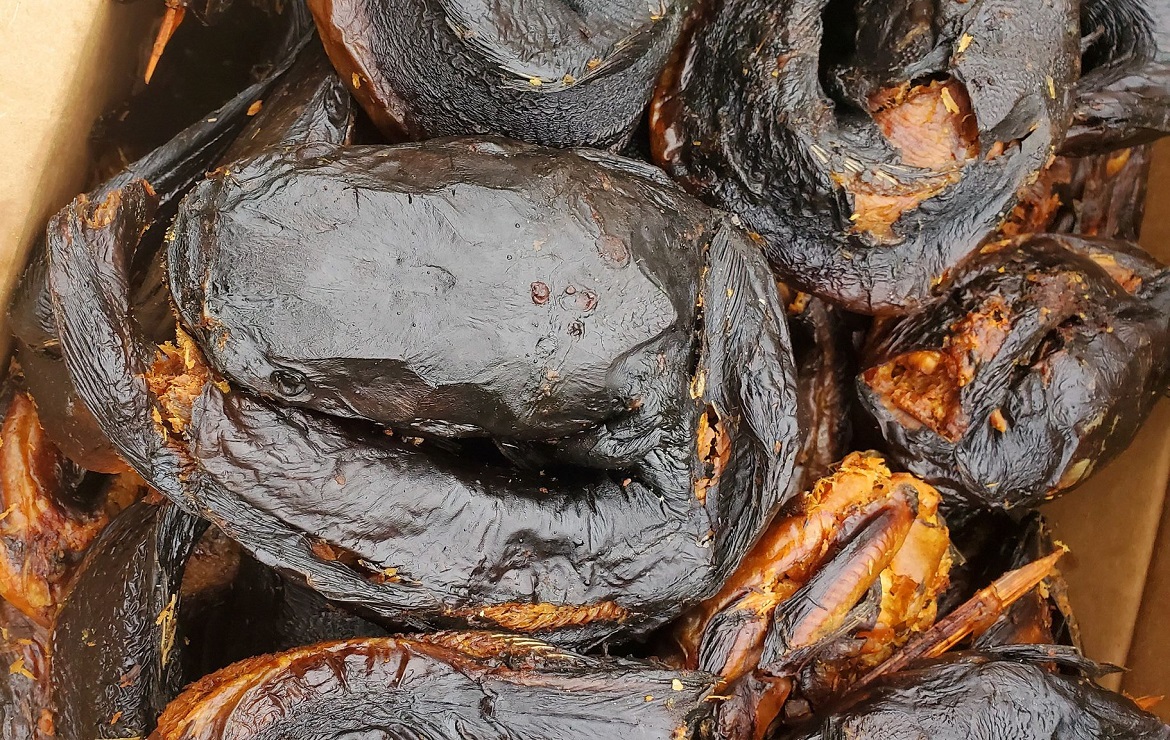
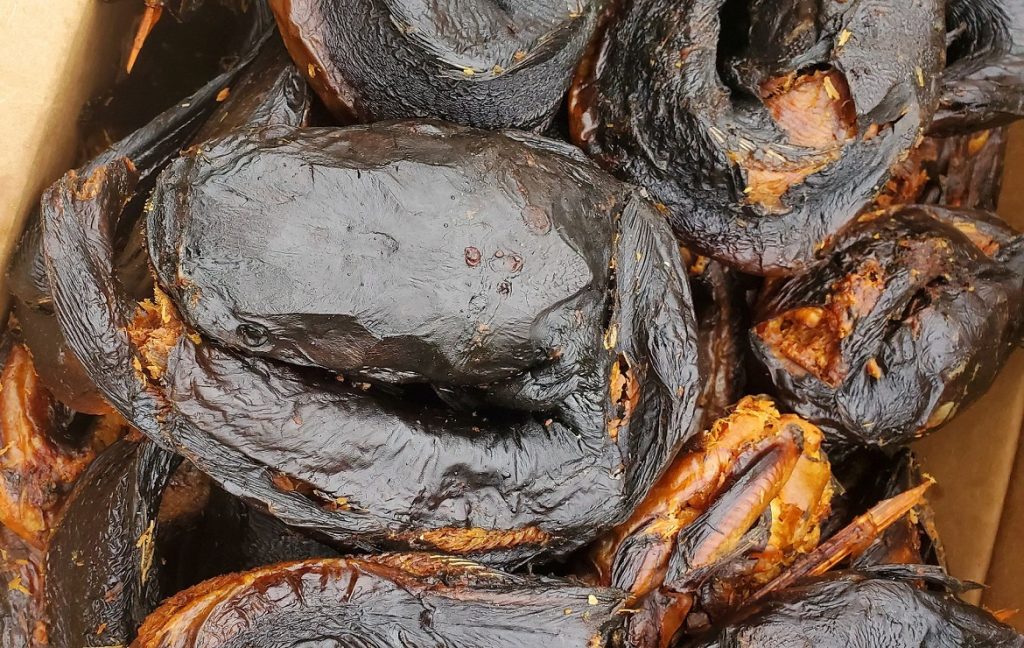
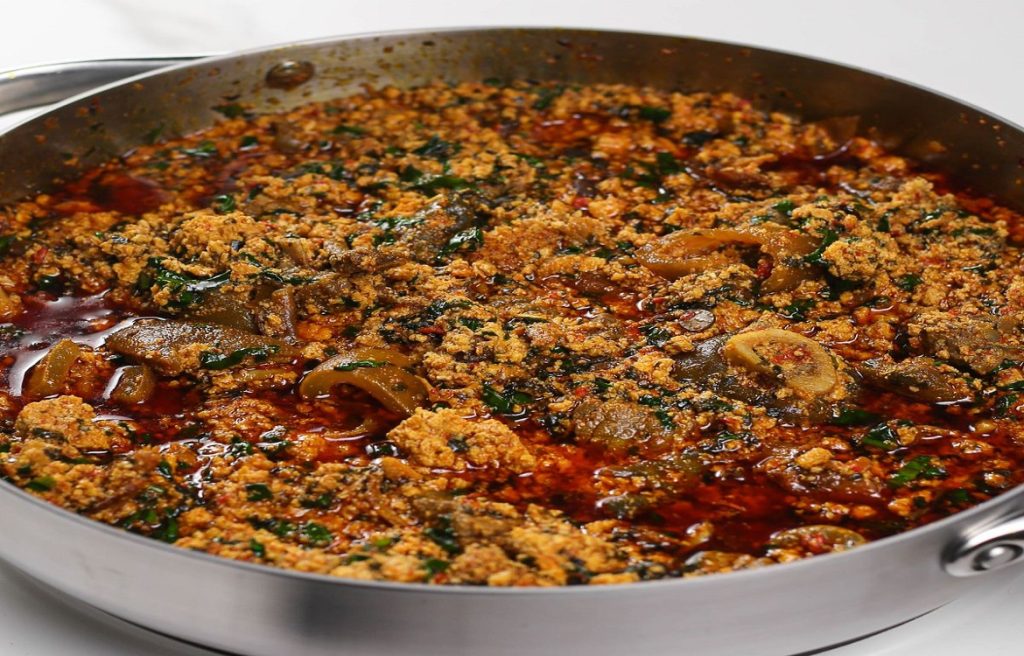
One of the biggest concerns for buyers of traditional foods is storage. Whether you live in a place with limited electricity or you’re sending food abroad, knowing how to keep items fresh without refrigeration is a must. At EdaVid Global Foods, our products like smoked fish and Kuli Kuli are carefully processed and packed for long shelf life. In this post, we’ll show you practical ways to store your favorite African foods the traditional way—clean, simple, and effective.
Start with Quality, Cleanly Packed Food
Proper storage always begins with clean handling. If the food wasn’t hygienically prepared, no storage method can preserve it well. At EdaVid Global Foods, we ensure that all our smoked fish and peanut snacks are dried, sealed, and packaged without moisture or contamination.
Make sure the products you buy are dry to the touch, not slimy or damp. Look for air-tight sealing and clear labeling. Quality at the point of purchase makes all the difference in how long your food will last.
Use Airtight Containers or Ziplock Bags
For long-term storage, especially for dried or smoked items, remove the product from its packaging and transfer it into an airtight container. Plastic containers with tight lids or ziplock bags are excellent options.
Be sure the container is dry and clean before use. Removing air and moisture helps prevent mold and spoilage. You can even double-bag items like fish for added protection, especially if you’re shipping them internationally or storing in humid environments.
Store in a Cool, Dry Place
The next best thing to refrigeration is a cool, dry shelf or cupboard. Keep your smoked fish or kuli kuli away from direct sunlight, heat sources, or damp spots in your kitchen or pantry.
If you’re storing items in a room that gets hot, consider wrapping the container in foil or placing it in a cardboard box to reduce light and heat exposure. This simple step can add weeks—or even months—to your product’s shelf life.
Re-dry If Necessary
If your smoked fish feels slightly moist after some time, you can air-dry or reheat it gently to restore freshness. Simply place the fish on a clean tray and sun-dry it for a few hours. Alternatively, warm it in an oven or skillet for 3–5 minutes without oil.
This step removes moisture buildup and prevents spoilage. It’s a technique widely used in villages and by market women, especially when weather conditions fluctuate or power supply is unreliable.
Use Labels and Rotate Stock
If you often stock up, make it a habit to label your containers with purchase or packaging dates. This helps you keep track of freshness and consume the older items first.
When adding new stock, place it behind or beneath older ones. This simple rotation system ensures that nothing sits too long and gets forgotten.
Final Thoughts
Refrigeration is useful, but not always available. Thankfully, African food traditions are built on smart preservation techniques. Smoked fish, kuli kuli, and other staples were made to last—with or without a fridge.
At EdaVid Global Foods, we support that heritage by providing clean, well-packed foods that store safely and taste great long after purchase. Whether you’re stocking up for your home or sending food abroad, follow these simple steps to keep your meals fresh, safe, and satisfying.
 Fast U.S. & international delivery + Hassle-free returns