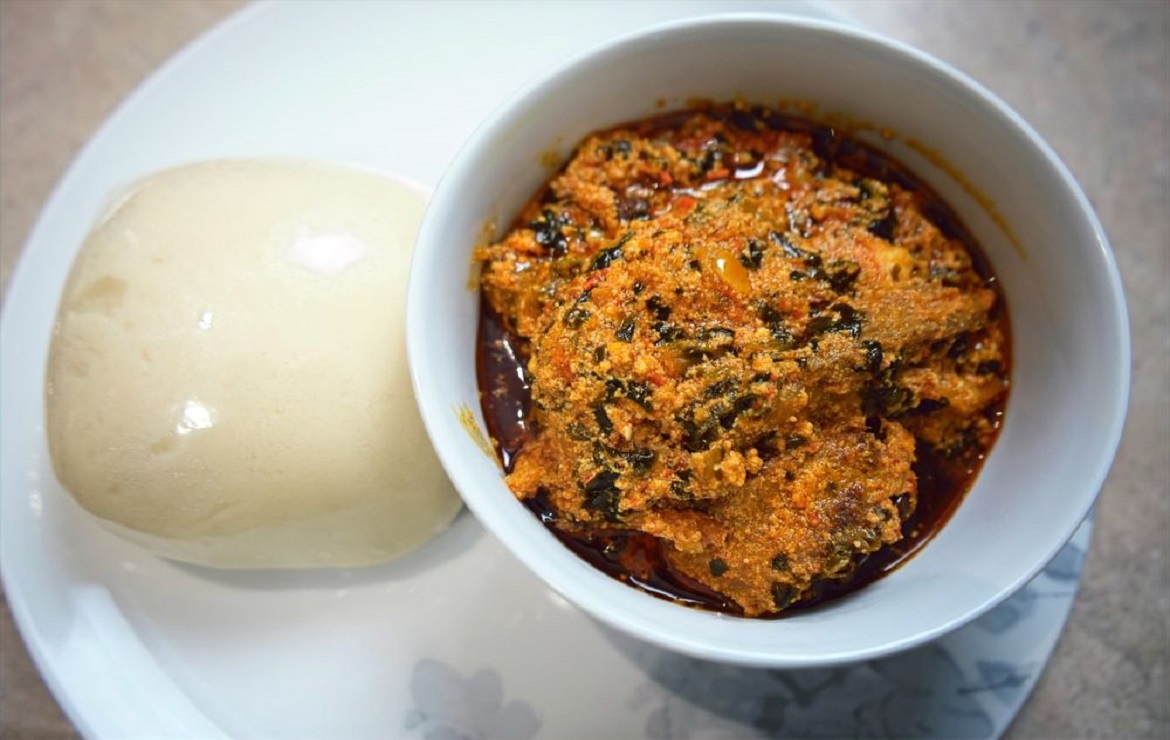
In every African home, food is more than just sustenance—it’s culture, family, and legacy served on a plate. From smoky soups to peanut snacks, our meals are rooted in generations of wisdom. But in today’s world of fast food and artificial additives, why should clean, traditional African meals still matter? The answer lies in health, heritage, and identity. This post explores how food connects us to our past, nourishes our present, and shapes the values we pass on.
Honoring Our Roots Through Food
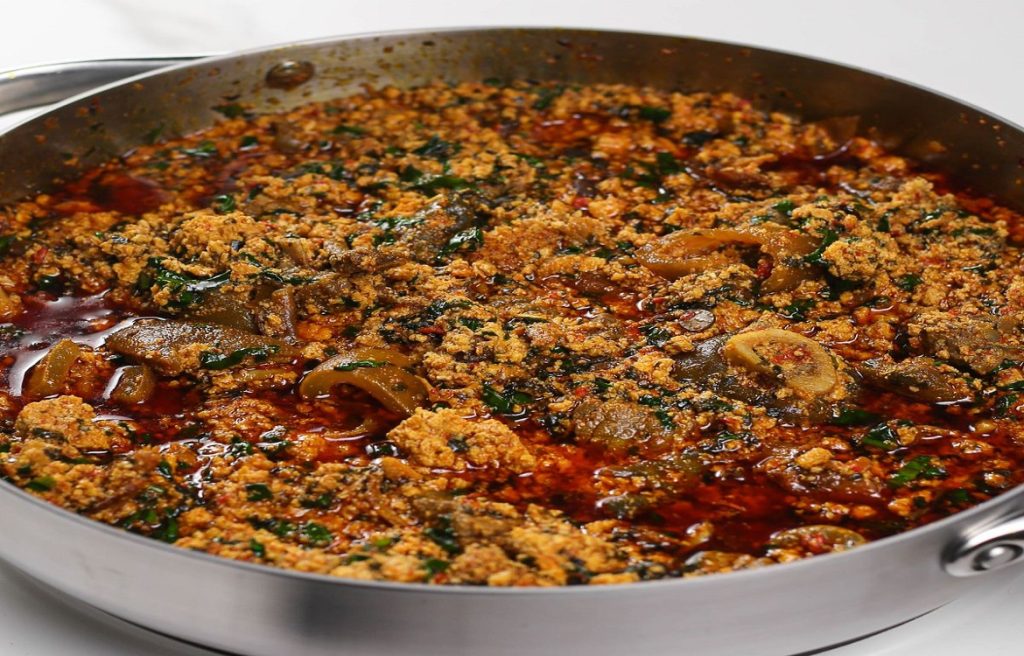
Across African cultures, food is more than fuel—it’s identity, memory, and heritage. Traditional African meals, whether it’s a smoky pot of egusi soup or crunchy kuli kuli, carry stories passed from one generation to the next. These meals reflect our people’s resourcefulness, love for family, and deep respect for nature. In a world rushing toward convenience, these culinary traditions stand as symbols of care, patience, and pride.
Even in today’s modern kitchens, traditional food preparation techniques continue to teach us the value of doing things the right way—not the fast way. Smoking, sun-drying, fermenting, and hand-processing ingredients have sustained African families for centuries. When we keep these methods alive, we preserve more than just recipes—we preserve values.
Why Clean, Unprocessed Food Still Matters
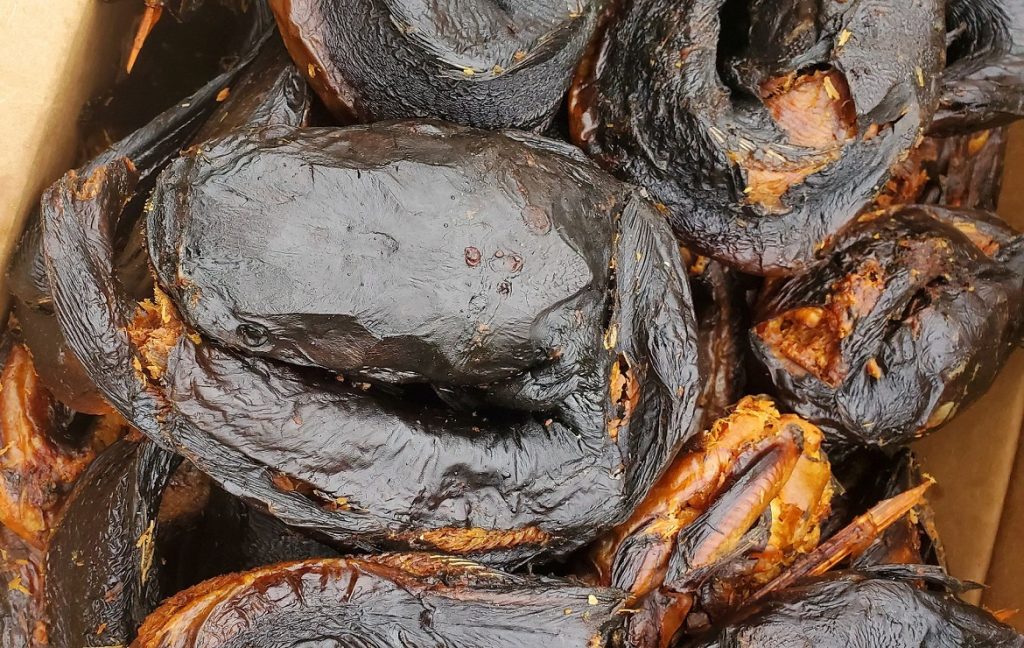
Traditional African food is naturally clean. It doesn’t rely on preservatives, chemicals, or artificial flavor enhancers. Instead, ingredients are kept close to their original form—fresh fish smoked with care, nuts roasted and ground for snacks, herbs picked and used immediately.
Clean food nourishes the body while also protecting long-term health. When you eat something like expertly smoked catfish or handmade kuli kuli, you know exactly what’s in it. There’s no guessing, no hidden sugars or fillers—just real food, the way our elders prepared it.
A Stronger Bond With Our Culture
Every bite of traditional food reconnects us to our roots. Whether you live in a village or abroad, the smell of dried panla or the crunch of kuli kuli can trigger memories of family gatherings, street vendors, or your mother’s kitchen. Food becomes a bridge between generations and between continents.
In the diaspora especially, traditional food provides emotional nourishment. It helps people far from home feel close to their culture. Clean, well-preserved foods like those offered by EdaVid Global Foods give people a way to enjoy their heritage confidently—without worry about hygiene, additives, or poor quality.
The Role of Food Brands in Preserving Heritage
Brands like EdaVid Global Foods aren’t just selling smoked fish or peanut snacks. They’re protecting cultural legacy through food. By preparing each item with clean hands, expert techniques, and zero shortcuts, they give families something they can trust—and pass down.
Consumers today are becoming more aware. They want to know where their food comes from and how it was handled. Food brands that prioritize tradition, transparency, and hygiene are becoming more valuable than ever. They help make African food something to be proud of, not just in taste but in presentation and quality.
Why Tradition Must Continue
Our food heritage must not fade. While it’s okay to embrace modern packaging or global reach, the soul of African food must remain untouched—clean, nourishing, and full of tradition. Keeping our food authentic is a way of keeping our identity strong.
When we choose clean, traditional meals, we don’t just feed ourselves—we preserve language, culture, and memory. We set an example for the next generation. Let’s protect what our ancestors gave us—one meal at a time.
 Fast U.S. & international delivery + Hassle-free returns